Energy Challenges for Western Regions: How Recent Attacks Affect Power Grids and Local Communities
Recent Russian nighttime strikes on critical infrastructure have impacted energy facilities across Ukraine, forcing adjustments at nuclear power plants and prompting discussions on potential nighttime electricity incentives for citizens.
 🏙️City
Photo: UNIAN
Key points
- Attacks on substations and TPPs across Ukraine affect regional power distribution.
- Khmelnytskyi and Rivne nuclear plants operate under constraints imposed by damaged neighboring grids.
- Regulators are reviewing proposals to let households utilize cheap nighttime power surpluses.
Ongoing attacks by Russian forces on Ukraine's energy infrastructure continue to strain the national power grid, affecting regions far beyond the capital. Alongside standard targets in central areas, western regions have also faced strikes aimed at thermal power plants and regional distribution substations. The resulting network damage in neighboring territories hinders the efficient transmission of electricity, forcing operators to adjust generation levels at key facilities, including nuclear plants.
Impact on Generation and Regional Security
According to energy expert Stanislav Ihnatiev, these aggressive actions are designed to disrupt stable power transmission from key generation hubs, specifically the Khmelnytskyi and Rivne nuclear power plants. While the situation in Khmelnytskyi region remains relatively under control, neighboring areas continue to deal with infrastructure damages. Repair efforts are frequently complicated by recurring strikes aimed at prolonging recovery times.
Addressing Nighttime Surpluses
Despite daytime deficits, the power system often experiences surplus generation during nighttime hours, which previously led to low-cost exports abroad. In response, regulators are currently discussing proposals to allow Ukrainian households to utilize this cheap nighttime electricity locally. Citizens could potentially use these hours to charge power stations or storage devices, with costs subsequently offset in their utility bills.
Source UNIAN — unian.ua/economics/energetics/doplata-za-elektroenergiyu-vnochi-v-u… ↗
Read next
 🚨Events
Assassination Risk or Process Strategy: New Details Emerge in Case of SBU General Serhiy Duka
Acting SBU Head Oleksandr Poklad signed a warning about a potential assassination attempt against Major General Serhiy Duka on the exact day NABU served him a suspicion n…
 🎭Culture & Sport
Blondie Returns: Legendary Band Announces New Album and Releases Single
American punk-rock pioneers Blondie are preparing their twelfth studio album, 'High Noon,' scheduled for release in early 2027. The band has already shared a new single t…
 👥Society
Geopolitical Shifts in China: How APEC Summit Outcomes May Impact Ukrainian Communities
The APEC summit in China signaled a shift in global power dynamics toward Beijing, creating new challenges for international security and energy stability.
 🛡️Security
Metinvest Expands Mobile Shelter Network at Industrial Sites: Over 180 Units Protecting Workers
Metinvest Group has installed over 180 additional steel mobile shelters at its production sites to protect personnel during air raid alerts.
 💡Tech
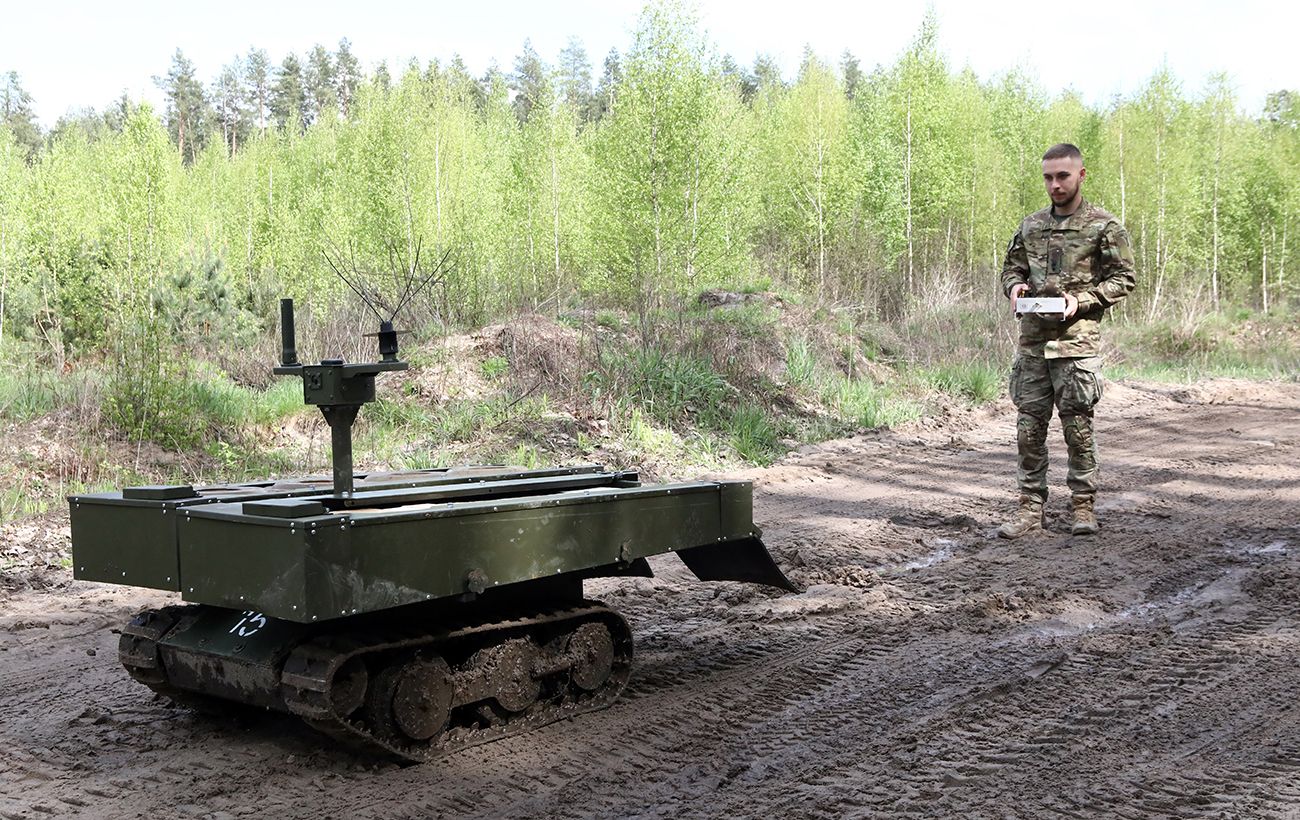
Ukrainian developers unveil new AI-powered ground robot control station
TechUnity has introduced AetherLink GS, a software control station for ground robotic complexes featuring AI-based road keeping and FPV drone detection.
 👥Society
The Illusion of Safety: Why Overconfidence Online Makes Us Vulnerable to Scammers
Experts urge citizens to rethink cyber hygiene, as over half of users consider their digital skills sufficient despite growing AI-driven threats and widespread phishing.