Microplastics in water: new research reveals a hidden chemical threat
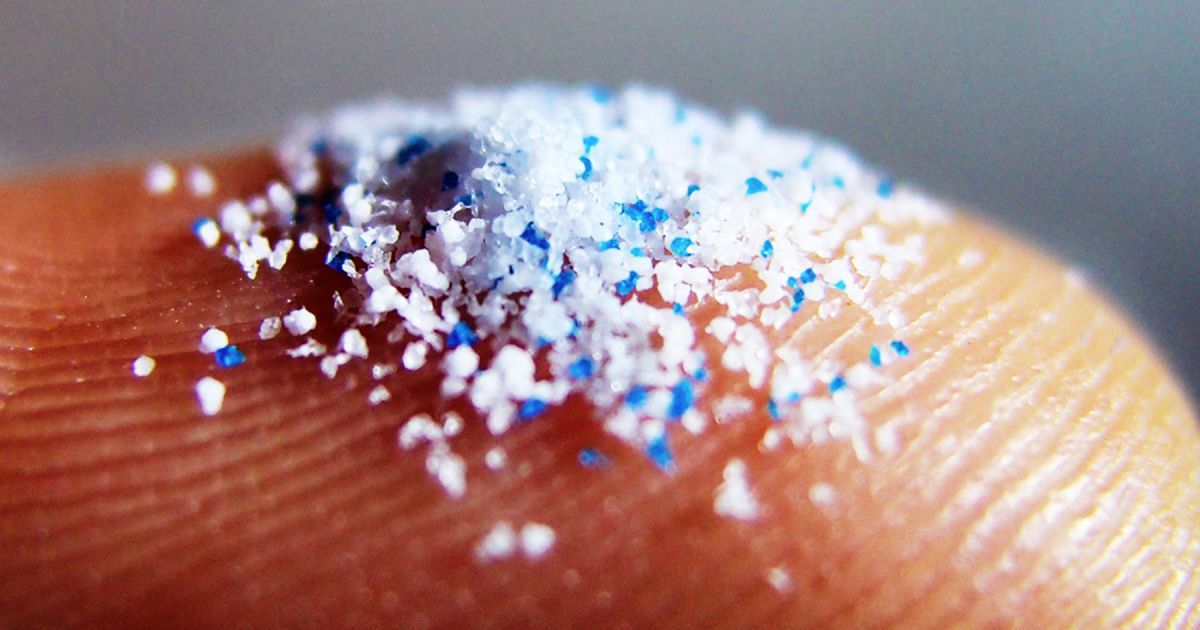
Scientists have found that microplastics do more than just pollute; they trigger dangerous chemical reactions when in contact with water.
 🩺Health
Photo: TSN
Key points
- Microplastics trigger the formation of reactive oxygen species in water.
- Polyethylene and polypropylene are the most chemically active types of plastic.
- Heating plastic containers increases the risk of harmful particle release.
An international team of researchers from Columbia and the University of California has released findings that change the understanding of how microplastics affect the environment. It turns out that plastic particles in water act not as passive debris, but as active chemical agents capable of damaging biological structures.
The chemical activity of plastic
When in contact with water, reactive oxygen species form on the surface of the plastic. These compounds, including hydroxyl radicals, can damage proteins and DNA. Polyethylene and polypropylene showed the highest activity in this process, as they repel water most effectively, creating conditions for electron transfer.
Laboratory experiments with mouse erythrocytes confirmed that contact with plastic leads to cell deformation and destruction. Scientists emphasize that the risk increases when heating plastic containers or leaving bottles in direct sunlight for long periods, as this accelerates the release of microparticles.
Source TSN — tsn.ua/zdorovya/mikroplastyk-vyiavyvsia-nebezpechnishym-niz-vvazaly-shc… ↗
Read next
 💼Economy
Currency Forecasts Through Late November: What to Expect for the Dollar
Experts have released their currency market forecasts for Ukraine for the coming period. The cost of foreign currency will depend on economic conditions and consumer acti…
 🚨Events
Electricity Restored in Rivne Region After Russian Attack
Electricity has been restored in the Sarny district of the Rivne region after a Russian attack. The head of the Rivne Regional Military Administration, Oleksandr Koval, a…
 🎭Culture & Sport
Caring for Roses in Autumn: Pruning and Winter Preparation Tips
Experts explain why it is better to wait for stable frosts before performing radical pruning on roses.
 🇺🇦Ukraine
Strike on Russian vessel in the Gulf of Finland: Estonia's reaction
Estonian Foreign Minister Margus Tsahkna stated that the attack on the Russian vessel is a legitimate exercise of Ukraine's right to self-defense.
 🛡️Security
Rescue operation in Dymer: elderly woman pulled from rubble as death toll rises
Search and rescue operations continue in the village of Dymer, Kyiv region, after a drone strike on a residential building. Rescuers found a survivor, but the death toll …
 🛡️Security
Russian corvette 'Merkury' in Libya: possible Ukrainian drone strike
International media report an explosion and fire on board a Russian naval vessel in the port of Benghazi.