Psychologists label the 1960s-70s generation as the 'last free' one: what is the phenomenon
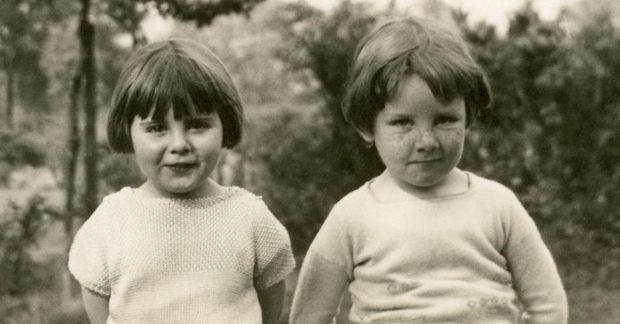
Research by psychologist Peter Gray suggests that children born in the 60s and 70s had a unique experience of autonomy that modern generations lack.
 👥Society
Photo: UNIAN
Key points
- The 60s-70s generation had more personal freedom
- Lack of digital technology stimulated creativity
- Independent conflict resolution strengthened emotional resilience
Psychological studies are increasingly analyzing how changes in the social environment affect personal development. According to findings by psychologist Peter Gray, the generation born between 1960 and 1970 was the last one to spend their childhood with minimal adult supervision and an absence of digital entertainment.
Independence as a foundation for development
A key feature of that period was the freedom of movement and leisure. Children spent significant time outdoors, organizing games on their own and resolving interpersonal conflicts without parental intervention. As Peter Gray notes, "this experience was fundamental to developing traits such as independence, self-confidence, and frustration tolerance."
The lack of constant digital stimuli forced children to be creative in finding ways to entertain themselves. Beyond play, daily chores played a significant role in fostering responsibility. Although memory often idealizes the past, experts emphasize that this specific form of socialization helped build a unique level of emotional resilience that is becoming increasingly rare today.
Source UNIAN — unian.ua/curiosities/psiholog-poyasniv-chomu-lyudi-narodzheni-u-196… ↗
Read next
 💼Economy
Currency Forecasts Through Late November: What to Expect for the Dollar
Experts have released their currency market forecasts for Ukraine for the coming period. The cost of foreign currency will depend on economic conditions and consumer acti…
 🚨Events
Electricity Restored in Rivne Region After Russian Attack
Electricity has been restored in the Sarny district of the Rivne region after a Russian attack. The head of the Rivne Regional Military Administration, Oleksandr Koval, a…
 🎭Culture & Sport
Caring for Roses in Autumn: Pruning and Winter Preparation Tips
Experts explain why it is better to wait for stable frosts before performing radical pruning on roses.
 🇺🇦Ukraine
Strike on Russian vessel in the Gulf of Finland: Estonia's reaction
Estonian Foreign Minister Margus Tsahkna stated that the attack on the Russian vessel is a legitimate exercise of Ukraine's right to self-defense.
 🛡️Security
Rescue operation in Dymer: elderly woman pulled from rubble as death toll rises
Search and rescue operations continue in the village of Dymer, Kyiv region, after a drone strike on a residential building. Rescuers found a survivor, but the death toll …
 🛡️Security
Russian corvette 'Merkury' in Libya: possible Ukrainian drone strike
International media report an explosion and fire on board a Russian naval vessel in the port of Benghazi.