European Commission Launches Antitrust Investigation Against Major Coca-Cola Bottler
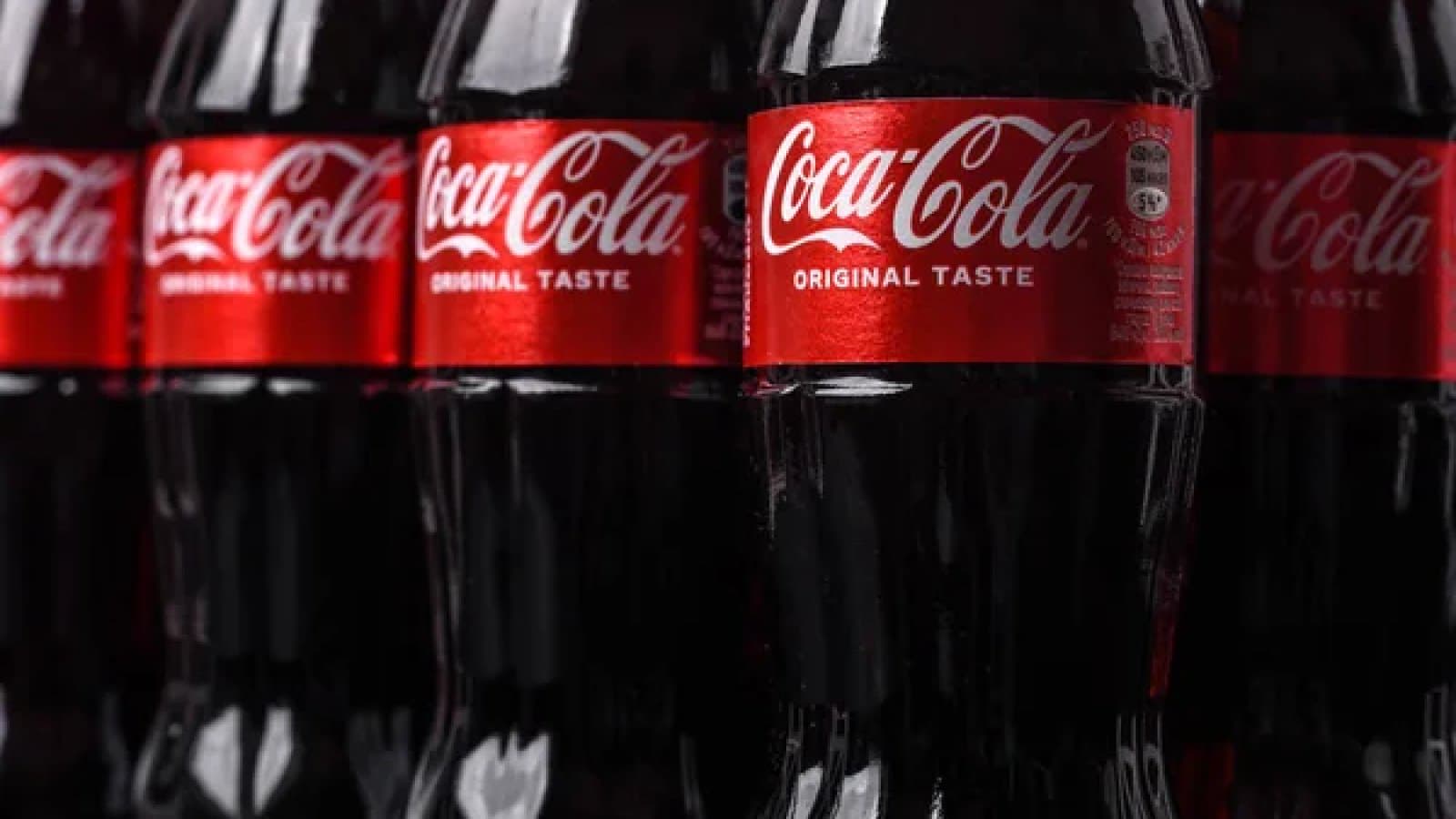
The European Commission suspects a major Coca-Cola bottler of restricting cross-border sales and keeping prices artificially high.
 💼Economy
Photo: Ukrainska Pravda
Key points
- European Commission investigates Coca-Cola Europacific Partners
- Company suspected of restricting cross-border drink purchases to protect high prices
- Investigation covers multiple EU member states including Germany and France
The European Commission has officially initiated an antitrust investigation into Coca-Cola Europacific Partners. The regulator is examining the commercial practices of the enterprise, which bottles popular non-alcoholic beverages across several European nations. The inquiry was prompted by reasonable suspicions that the company restricted retailers from purchasing products at lower prices in other European Union jurisdictions.
Suspicions of Dominant Position Abuse
According to the investigation materials, the manufacturer allegedly offered discounts to supermarkets and retail chains on the condition that they would not resell the beverages across national borders. European Commission Executive Vice-President for Competition Teresa Ribera emphasized that citizens across Europe should not pay higher prices simply because of where they live.
Coca-Cola Europacific Partners operates in markets such as Belgium, France, Germany, Spain, and Sweden, serving as one of the largest bottlers for The Coca-Cola Company. Antitrust authorities are focusing on the off-trade customer segment, which includes supermarkets and retail outlets selling goods for consumption off-premises. Such restrictions create artificial barriers within the EU's internal market and hinder fair competition.
Market Implications and Outlook
Analysts note that such investigations often precede significant regulatory changes regarding cross-border trade practices across the continent. The European Commission is currently preparing new rules to address territorial supply restrictions that allow multinational corporations to segment markets. Meanwhile, several European nations are debating the introduction of sugar taxes, with compromise solutions recently discussed in Germany and Italy.
Source Ukrainska Pravda — pravda.com.ua/news/2026/11/23/8064210/ ↗
Read next
 🛡️Security
Russia is building military infrastructure 60 km from the Finnish border
Satellite imagery reveals significant demolition and new construction at the Kamenka military garrison near the Finnish border. The expansion follows the enlargement of N…
 🇺🇦Ukraine
EU summons Russian diplomat over damage to diplomatic missions in Kyiv
The European External Action Service has issued an official protest to the Russian side following attacks on EU member state embassies in the Ukrainian capital.
 🧠AI Analysis
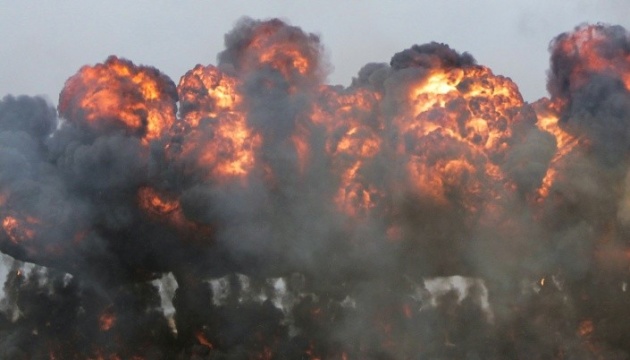
Fire Hits Lukoil Refinery in Perm Following Drone Strike: Impact and Scale
A major fire broke out at the Lukoil-Permnefteorgsintez refinery in Russia's Perm Krai after a drone attack targeted key processing units, including AVT and EDU installat…
 🛡️Security
Oleksandr Syrskyi Outlines Key Lessons of the Russia-Ukraine War for the International Community
Former Commander-in-Chief of the Armed Forces of Ukraine Oleksandr Syrskyi highlighted three major takeaways from the war during the Halifax International Security Forum.
 💡Tech
90s Super Nintendo Console Adapted to Run a Miniature Version of ChatGPT
Tech journalist Benj Edwards has created a unique miniature version of ChatGPT for the iconic Super Nintendo entertainment system. The project was implemented using knowl…
 🏛️Politics
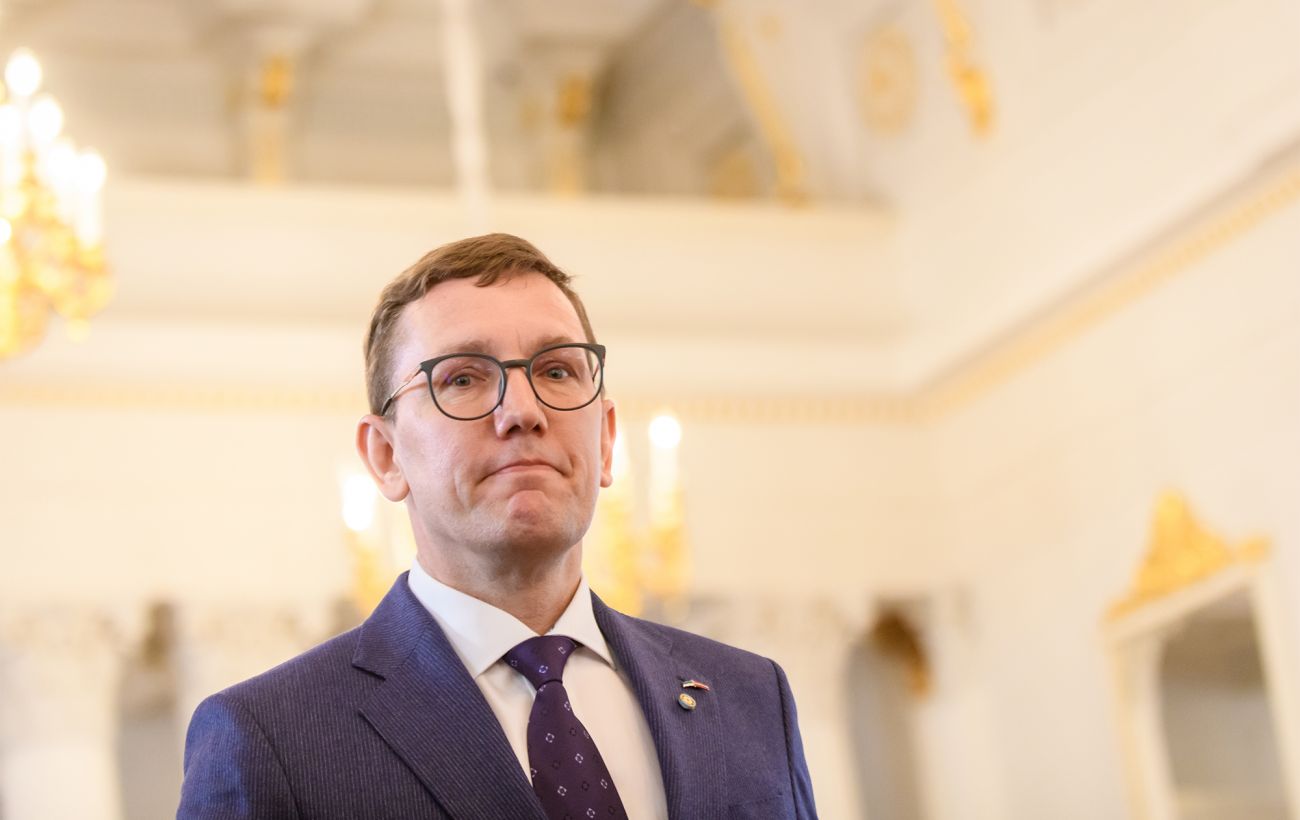
Estonian PM denies Trump called for halt to aid for Ukraine
Estonian Prime Minister Kristen Michal stated that US President Donald Trump did not urge Europe to suspend assistance to Ukraine, suggesting potential translation errors…